
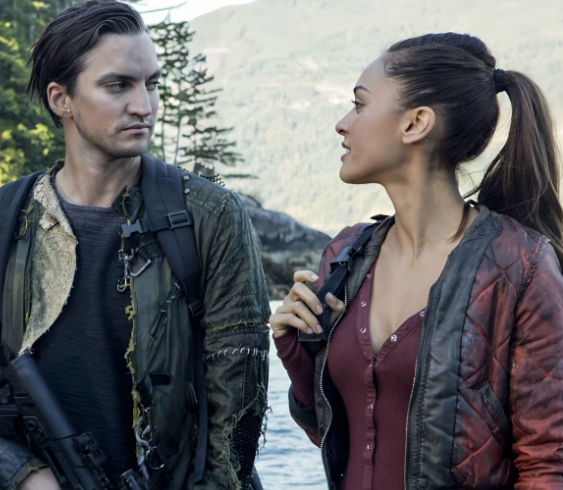
When news circulated that Lindsey Morgan Snags role in Walker, many television fans paused for a moment and looked again at the announcement. The title was straightforward, although the choice of the casting had a number of practical consequences on the direction of the show. Change of casts in long-running drama series is often an indication of a change in the tone, pace, or character dynamics. It is particularly true when it comes to action movies that go in the field of law enforcement, as the chemistry in the characters affects the screening experience a lot. Industry observers also noted how the news immediately created discussion among viewers who follow modern Western-themed shows.
Why Casting Choices Matter In Modern Crime Dramas
Television casting is rarely random or purely experimental in established series environments. Producers usually look for actors who bring previous genre familiarity and are credible on-screen. That context helps explain why Lindsey Morgan snagged the role. The walker attracted attention beyond normal casting updates. The show already balances crime investigation with personal conflict scenes, which means every new character must function in both emotional and procedural moments.
Actors who can shift between dialogue-heavy scenes and action-driven sequences often become valuable additions in series like this one.
Lindsey Morgan’s Background in Television Roles
Before appearing in this production, Lindsey Morgan built a reputation through several television projects that required intense character focus. She often portrayed individuals dealing with pressure, conflict, and morally complicated decisions. Those character types translate well into law enforcement dramas because the scripts usually explore responsibility, loyalty, and risk.
Her earlier work demonstrated that she can carry scenes involving authority figures, investigation procedures, and tense conversations between partners or rivals. That history made the casting decision feel logical rather than surprising.
The Practical Context Behind Lindsey’s Role in Texas Ranger Stories
Many viewers discussing the show online quickly focused on Lindsey’s role in Texas Ranger storylines. Law enforcement-themed Western dramas depend heavily on believable officers who can move through investigation, patrol, and confrontation scenes naturally. A character working alongside or around Texas Ranger narratives must appear capable of handling both strategic thinking and physical pressure.
This is where casting becomes a practical production choice rather than a purely creative one. Actors who can deliver calm authority often strengthen the credibility of those scenes significantly.

Walker’s Style Blends Personal Conflict With Investigation Work
The series itself operates in an interesting space between classic Western atmosphere and modern police storytelling. Episodes typically alternate between emotional family conversations and tense investigation sequences. That mix means every cast member must function across several storytelling modes within a single episode.
When Lindsey Morgan snags a role in Walker, the writers gain another character who can appear during investigative briefings, field operations, or conflict-driven dialogue scenes. That versatility helps maintain episode pacing without forcing the story into repetitive patterns.
Character chemistry often shapes long-running shows.
Another practical factor behind casting decisions involves interaction between actors already established within the series environment. Television writers often expand characters who create strong onscreen tension or collaboration. That can mean rivalries, partnerships, or even cautious alliances between investigators.
Discussions about Lindsey’s role in Texas Ranger plots often focus on how the character might influence existing investigative teams. A new presence inside the story can shift group dynamics, especially during cases involving regional crime investigations or jurisdiction conflicts.
Audience Curiosity Builds Around New Law Enforcement Characters
Viewers who follow procedural dramas tend to analyze small details in character introductions. They watch how a new investigator handles their first field assignment or responds during a tense briefing. Even subtle dialogue choices sometimes hint at long-term story arcs developing later in the season.
Because Lindsey Morgan snagged a role in Walker, audience curiosity naturally expanded toward how the character will fit into the investigative structure. Small details such as authority level, reporting relationships, and investigative specialties can influence multiple episodes ahead.
Production teams often use new characters to refresh momentum.
Television series occasionally introduce new figures when the story needs fresh angles without abandoning the original theme. Law enforcement dramas especially benefit from this approach because investigations naturally bring different specialists into the narrative.
Writers exploring Lindsey’s role in Texas Ranger developments might use the character to approach cases from another perspective. That could involve new investigative methods, regional knowledge, or personal motivations that affect decisions during critical moments.
How Western-Style Crime Dramas Continue Evolving
Modern Western-inspired crime shows now combine traditional frontier imagery with contemporary policing concepts. This blend attracts audiences who enjoy rugged landscapes alongside structured investigative procedures. The format allows characters to move between community settings, remote terrain, and official law enforcement offices.
Within that framework, the announcement that Lindsey Morgan snags a role in Walker fits the ongoing trend of expanding ensemble casts. Productions increasingly rely on diverse characters to keep investigations varied while maintaining the familiar tone that audiences expect.
Viewer Discussions Often Predict Story Direction
After casting announcements appear, fan communities usually begin analyzing possible plot developments. They examine trailers, episode descriptions, and small promotional details, looking for hints about future storylines. That kind of speculation is common around law enforcement dramas where character hierarchy matters.
Talk about Lindsey’s role in Texas Ranger situations often includes questions about investigative authority, leadership conflicts, and collaboration between officers. Even without official details, those conversations highlight how strongly audiences engage with character introductions.
Conclusion
Casting announcements rarely feel dramatic at first glance, yet they often influence how a television series develops over time. The moment Lindsey Morgan snags a role with Walker, the show gains another performer experienced in portraying complex and pressured characters. Discussions about Lindsey’s role in Texas Ranger narratives show how viewers immediately connect casting choices with potential investigation arcs and character dynamics. The same small changes can alter the tension of the episode, the relationship between the two partners, and the speed of investigation in procedural Westerns. The addition of a character, whether it is a strategic investigator, a competitor authority figure, or a close ally, is an indication of a smart move to continue making the series roll on, but not to lose its identity as law enforcement.
